

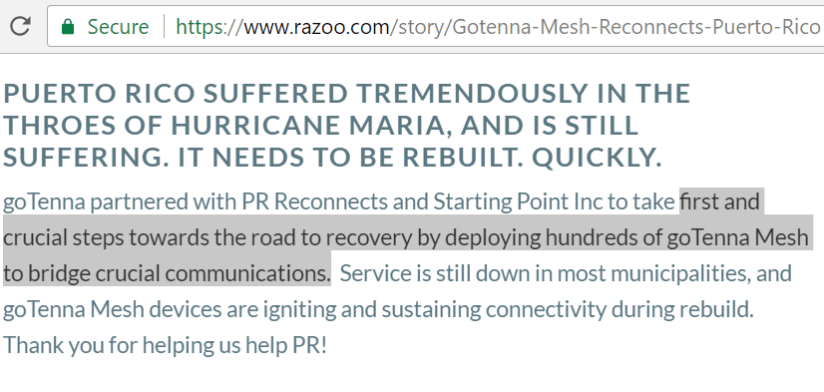
GoTenna and PR Reconnects have finally provided an update after threatened with a lawsuit. As it turns out, our fears were correct and well-founded. Rather than providing, deploying, and making available the 300 emergency mesh communication devices to those most in need in Puerto Rico, only 16 have been installed. Instead of all municipalities (or even the fifteen hardest hit), only one municipality outside San Juan has been installed. However, perusal of their social media histories indicates that these 16 were *already* installed, prior to the fundraiser exceeding their goal.

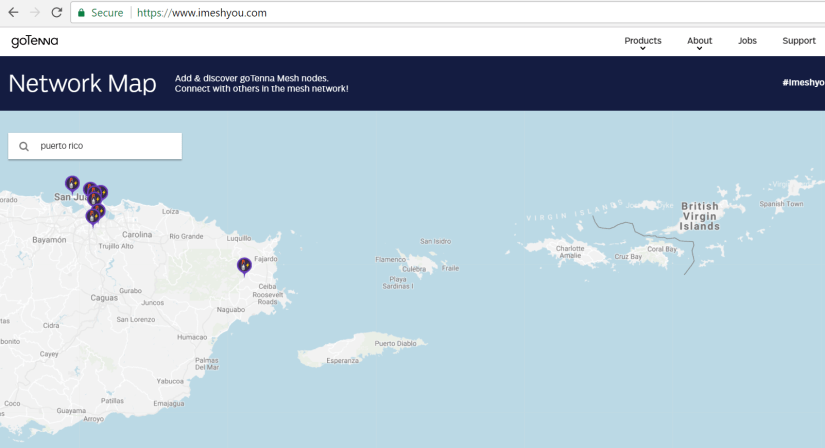
So, what have they done in the past four months with the publicly donated $17,000? Effectively nothing. None of the funds have been employed, no additional Gotenna emergency mesh units have been installed. In fact, instead of the hundreds promised, GoTenna has only delivered 84. In contrast, GoTenna have tirelessly devoted their resources and engineers to install and deploy mesh networks in affluent ski resorts … but when it comes to their commitment to Puerto Rico, and those hardest hit (with a GDP less than half of Mississippi), GoTenna is content to fall far, far short of their promises and wash their hands, victim-blaming their partners. GoTenna apparently lacks the labia or cojones to deliver what was promised to Puerto Rico. Moreover, shedding light on the hypocrisy, GoTenna has published and made available every single node’s locations on imeshyou.com to enable their use by the public at these ski resorts. In contrast, they’ve mansplained-away their absence from Puerto Rico as “opt-in” and non “dynamic.” However, publicly funded mesh units, statically deployed as permanently powered public relays should be published to allow the public to benefit and leverage them.


After Hurricanes Maria, Jose, and Irma, and countless mudslides, flooding, and loss of lives (some areas STILL without power), the public stood up, and courageously made choices as to where their funds would best help. The public took GoTenna at its word- that providing an emergency mesh communications backbone for first-responders, relief-workers, communities, and ngos offering aid was, in Gotenna’s words “crucial” to saving lives. The people overwhelmingly donated and exceeded the goals of the fundraiser by several thousand dollars. Now, the ball lies in GoTenna’s court, yet only 16 of the promised hundreds are installed. Only 84 have been shipped. By their own admission, these donated funds (that could have been employed) lie fallow, unused.
Help was offered months ago; since October – volunteers, first-responders, relief-workers, municipality leaders, and student interns from local universities were lined up and ready to help on the premise that an actual resilient, backup emergency communications backbone was going to be built. Gotenna’s laudable promises sucked up all the goodwill of the community and forestalled others from building this backbone, as we all acted in reliance on the promises of Gotenna and PR Reconnects. Now, six months after the storm, with less than three months to go before the next battery of monster storms are unleashed on the island… where are we?
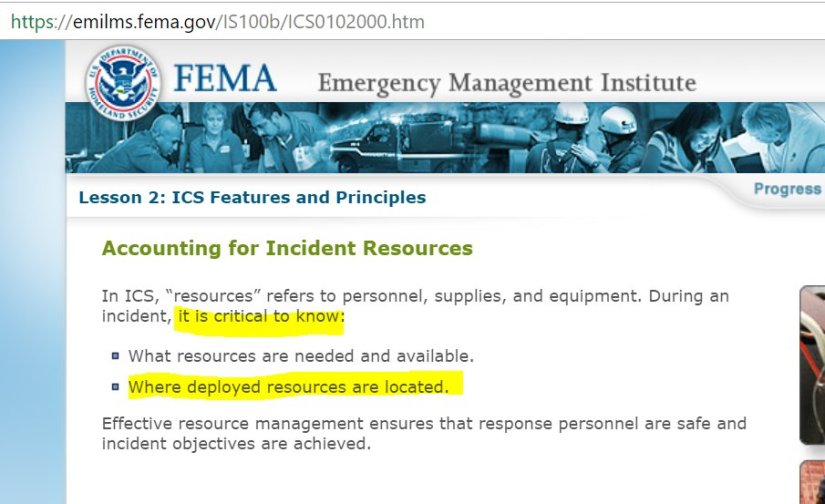
To exacerbate issues, GoTenna has taken over a million dollars from Homeland Security and DoD (publicly) not to mention untold amounts from In-Q-Tel (IQT) – and the FCC has authorized another billion dollars to help reconstruct communications systems on the island. But, in direct opposition to the National Incident Management System (NIMS) guildelines, not a single Gotenna device location has been published for Puerto Rico on Imeshyou.com, or on first-responder geolocation tools like Aftermath Rescue or ANY publicly available mapping providers. To those with even a rudimentary understanding of mesh networking, much like real estate- location matters. If first-responders, communities, ngos, and relief-workers do not know where the powered emergency mesh network relays are, it makes it very difficult to call for help, coordinate scarce resources, or avoid duplicative efforts.
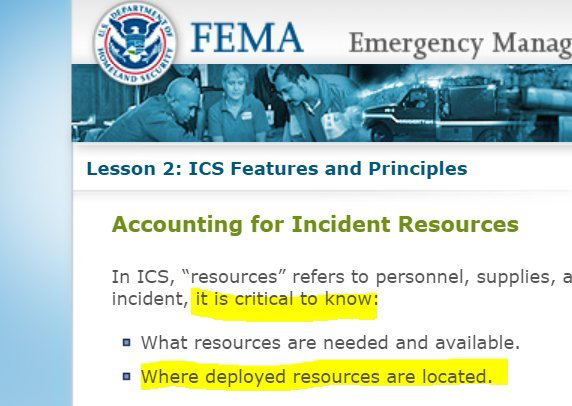
Gotenna needs to live up to their promise and send the remaining emergency mesh units to Puerto Rico. If Homeland Security or Fema have installed hurricane resilient permanent relays in Puerto Rico, they need to publish the locations as mandated by NIMS/ICS best practices to allow the communities to leverage these communications options come June and Hurricane Season 2018. If they have not yet installed these permanent relays, then they need to start. The clock is ticking.
If GoTenna, Homeland Security, Fema, and PR Reconnects think that they will be able to casually ship in these units and deploy them AFTER the next hurricane, as someone who has waited in line at Fed Ex in the hot sun for hours, I can tell you, this is not a good plan. I agree with Javier J Malave Bonet’s idea to save some in reserve, however, we need a strong, hurricane-resilient, permanently installed and solar-powered backbone already in-place before the next disaster strikes. At only $45 for a Gotenna Node, another $50 for a waterproof solar panel, battery, and hurricane box, this is a steal relative to the literally BILLIONS of taxpayer funds that the FCC wants to invest in traditional lines, cell towers, and generators – that inevitably fall (or run out of diesel). We need to rethink our approaches and outsmart the storms if we are to survive.





 Fully enabled (or half-baked?)